
Mathew Gallagher
July 21, 2020
Wormwood’s Absinthe: Is Artemisia an Herbal Cure for Coronavirus?
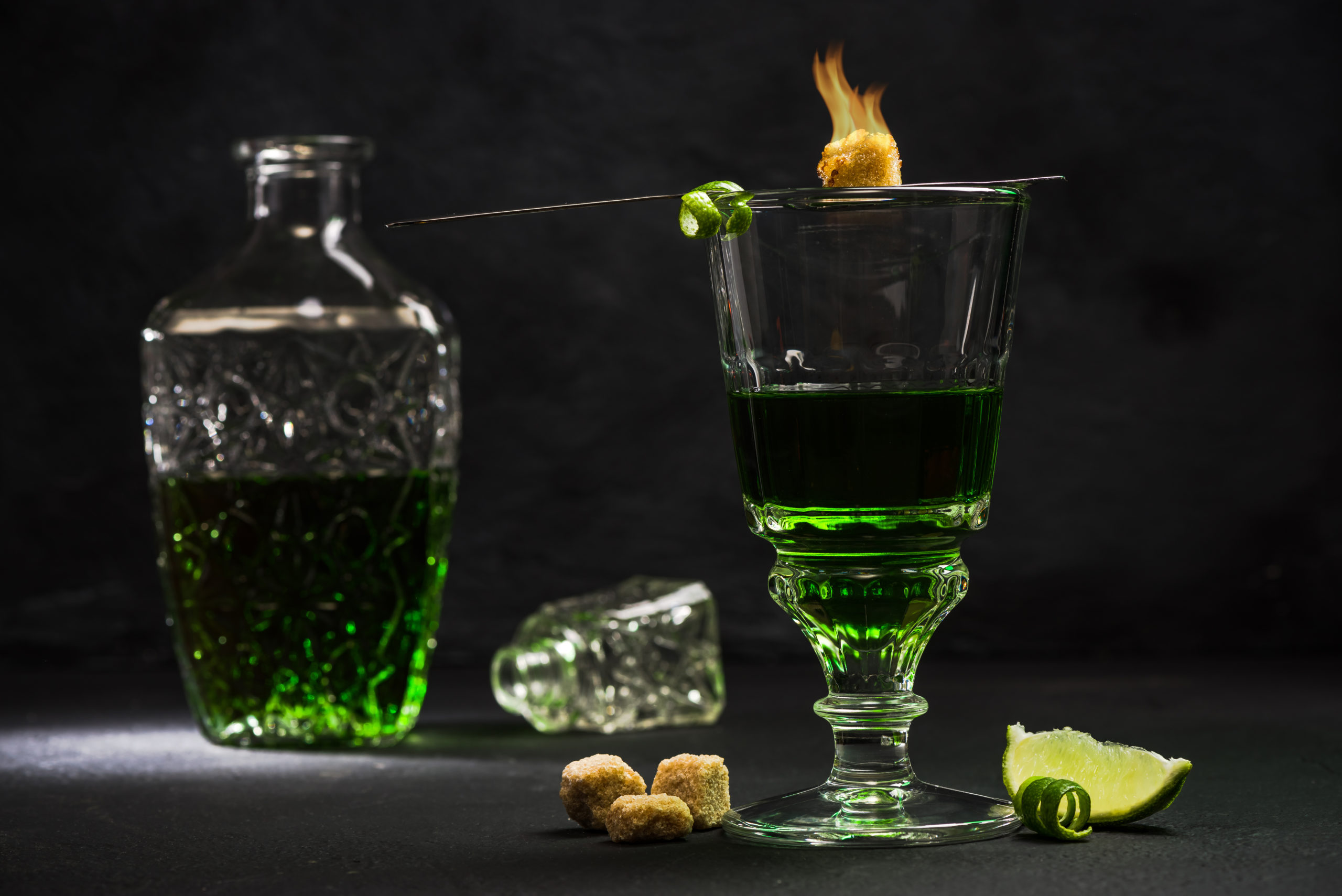
Could Artemisia wormwood — the main ingredient in absinthe that flies you high as a kite — be used to treat or potentially cure the Coronavirus?
The President of Madagascar seems to think so.
And scientists think coffee just might be the grand infusion that makes it all sync.
Madagascar President Andry Rajoelina says the traditional African medicine may well “change the course of history” in regards to the COVID-19 pandemic.
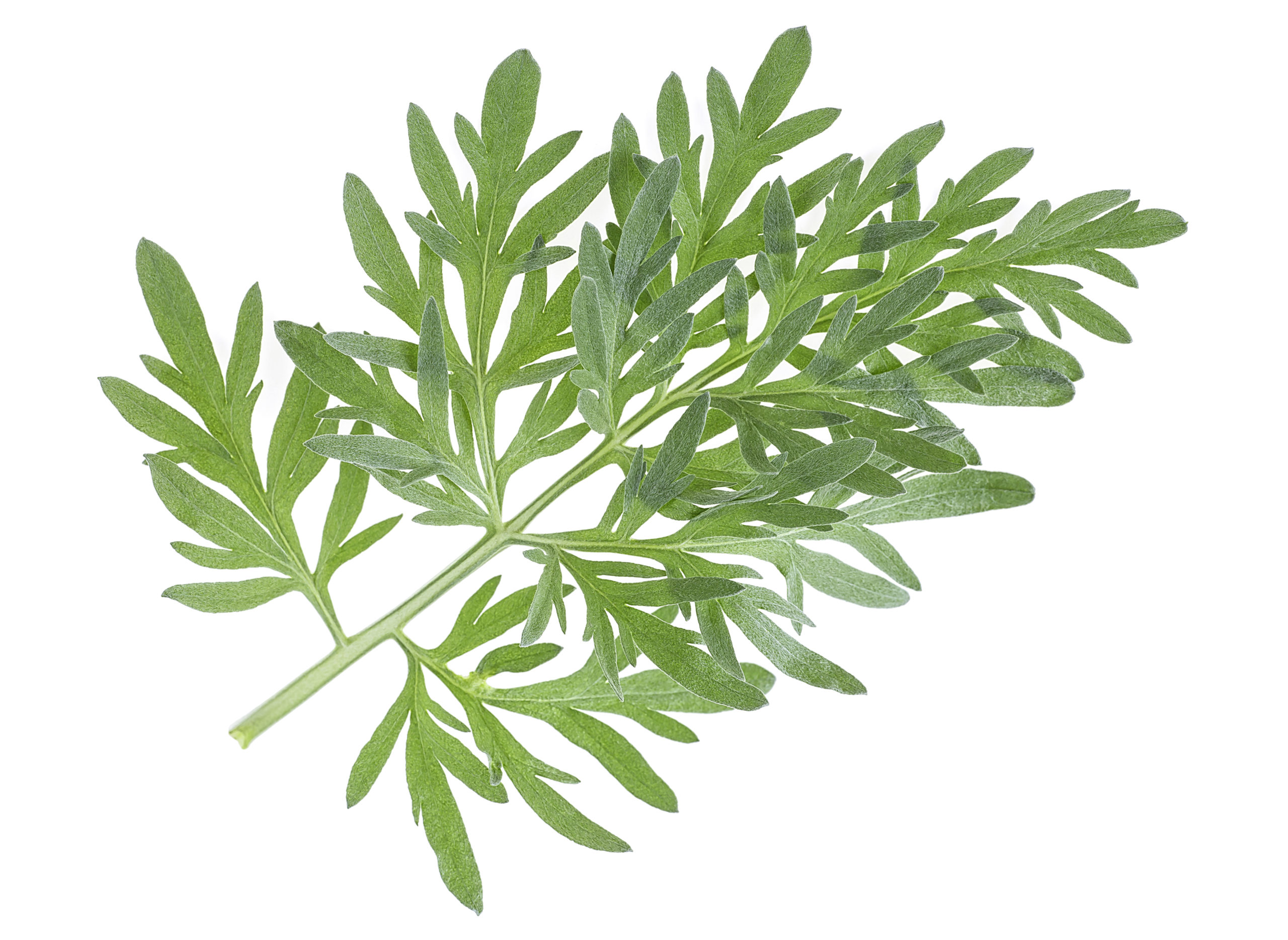
Madagascar’s president may have his own incentives — the world’s supply of Artemisia is predominantly farmed in Madagascar, go figure.
That might explain why Rajoelina started pushing this mysterious cure on social media last Easter — all while being very vague and Obiwan Kenobe about the whole thing. He was at first loosey-goosey on the details, only mentioning “an enhanced traditional remedy made up of Malagasy medicinal plants which have already been proven effective.”
Those Twitter Jedi mind tricks were later sussed out to be an herbal remedy that included Artemisia annua and Artemisia afra — two medicinal plants with antimalarial properties.
But it turns out he’s onto something — not necessarily on something. And coffee might just be the secret ingredient — it works best as a coffee infusion.
Swear on my grandmother’s French press — psychedelic wormwood zip-zapped with a steaming mug of Philz Tantalizing Turkish just might get us out of this mess. Who knew?
Weird Science
Or maybe not. You be the judge. (Or maybe we’ll just leave it to the scientists — they’re still sweating it out over percolating chemistry sets all over the world. But think about it: Coffee cures the morning cry baby blues, wormwood the nighttime misfits. Why not fuse them together to kick the sniveling snot out of coronavirus?)
In all seriousness, Madagascar’s president isn’t the only one who finds some hopeful promise squirming in Artemisia’s wormwood potential.
Researchers at Germany’s Max Planck Institute of Colloids and Interfaces in Potsdam “have shown that extract from the medicinal plant Artemisia annua, also known as Sweet Wormwood, is active against SARS-CoV-2, the virus that has caused the COVID-19 pandemic,” the University of Kentucky News reported.
The University of Kentucky is currently undergoing clinical trials of wormwood’s therapeutic potential in conjunction with the Max Planck Institute. And Artemisia’s antiviral properties in an ethanol extract seem to seriously perk up when combined with coffee.
“I was surprised that Artemisia extracts worked much better as a derivative, and that adding coffee increased the antiviral activity,” Klaus Osterrieder, professor of virology at the Free University who helped with the research, told DW News.
Whatever-the-fact, coffee infused psychedelic absinthe was not on our Biblical Plague Bingo Card for 2020. How about yours?
What is Artemisia Wormwood?
The Artemisia annua plant, AKA sweet wormwood, has been embraced for thousands of years to treat fever in traditional Chinese medicine. It has also long been used in the treatment of malaria. During the Vietnam War, the Vietcong teamed up with Chinese scientists to develop it into a malaria cure after thousands of soldiers died from the disease, more in fact than were actually killed in combat. The Chinese pharmaceutical chemist Dr. Youyou Tu later won a Nobel Prize for her discovery.
The earliest record of wormwood is from 168 B.C. — as a hemorrhoid remedy written on a piece of silk in an unearthed ancient Chinese tomb.
Yeah, this stuff is pretty versatile — a butt bump cream that’s psychoactive to boot.
When smoked or brewed as a tea, wormwood inspires mild changes in attention, mood, and visual perception lasting from 30 minutes to a few hours.
You feel warm, clean and a little spaced out — maybe not mind blowingly psychedelic but definitely a spacey mild trip — like the middle of a Space jam when Garcia’s solo steadily tickles the bottom instep-sole of your dreams like a magic peacock feather.
But careful with that butt bump cream, Eugene: When used in concentrations of unknown quantity, wormwood can be highly dangerous. One account originally published in Erowid Extracts details an individual who drank approximately 10 ml of wormwood essential oil ordered over the Internet, confusing it for absinthe. He suffered a near fatal case of acute renal failure.
Yikes.
Wormwood is also used in the production of absinthe — a highly alcoholic spirit that contains Thujone, producing a hallucinogenic and cerebral effect. Both Picasso and Van Gogh turned to it for inspiration, turning gobs of paint into the psychedelic fanfare of their day. It’s been called the cocaine of the 19th century, but modern varieties sold in stores have much lower alcohol content and little to no Thujone — it sucks to be suburban in the 21st century.
Caution (Do Not Stop on Tracks)
Could artemisia wormwood add a coronavirus cure to its list of herbal remedies? Maybe. “The results are very promising,” said Peter Seeberger, managing director of the Max Planck Institute of Colloids and Interfaces. But he stressed that future clinical trials are what really counts.
Wormwood hasn’t yet been tested for COVID on humans with any meaningful results, though the studies are happening as you read this. But Artemisia when combined with coffee has been shown to have an antiviral effect, and it is repeatable. Yet the science remains in its early stages.
The World Health Organization (WHO) “urges extreme caution over reports touting the efficacy of (Artemisia) products.” It also warns that there is “no evidence to suggest that COVID-19 can be prevented or treated with products made from Artemisia-based plant material.”
Sadly, 21st century patience is rare as a Yeti flash mob.
The nation’s jaw-dropped jowls stare as our orange haired president waves magical thinking around like his middle finger’s a wand: Trump continues to push the antimalarial drug hydroxychloroquine in the face of reasonable science. Meanwhile a 17-year-old Florida girl attends a 100 person packed church retreat in the middle of a pandemic — catches the virus and dies: Her mother refused medical advice and gave her hydroxychloroquine, right up to the point of no return.
It’s a mother fact. The shock waves of the news numb us raw like Pete Townsend’s eardrums. Was it really a million years ago Orange Muskrat Toupee advised sunshine bleach injections? Accidental bleach poisonings rose 121% that month. Fortunately sunlight’s harder to mainline.
Like we said, careful with that butt bump cream in your coffee, Eugene: Get ahead of the science — get run over by a freight train.
Ditch Weed Pharmacy — Nature’s Calling
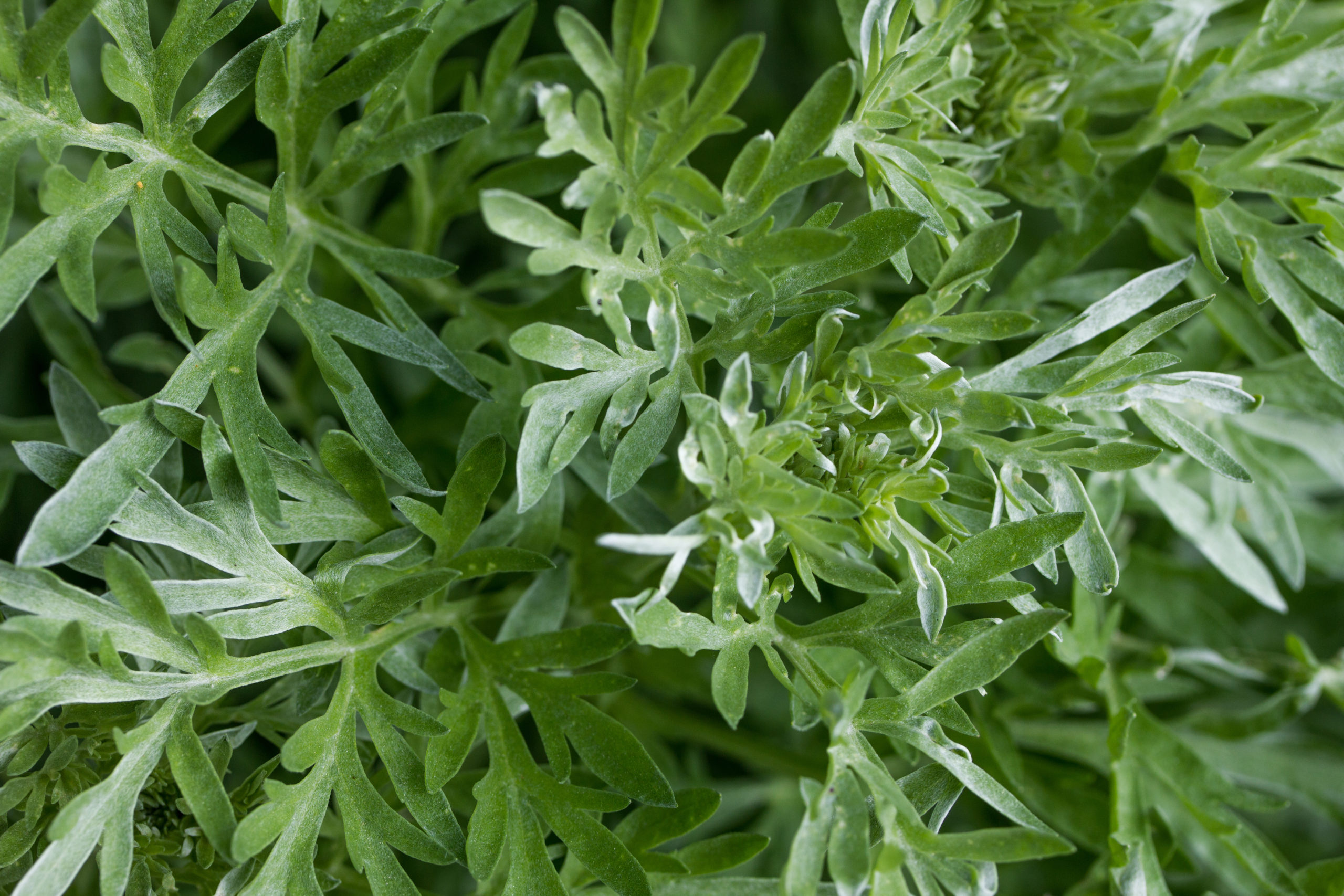
Nevertheless, the cure for COVID-19 — or at least the natural inspiration that could eventually be developed into a vaccine or treatment — is likely already growing somewhere in our gardens, forests, ditch creeks lapping like yapping wild dogs by the side of the 105.
That’s because nature is the basis for all of our medicine. What you find in your medicine cabinet may come from a test tube, but it’s inspired by nature. Medicinal herbs form countless foundations for today’s pharmaceuticals.
“We couldn’t be alive without plants,” says world renowned herbalist Chris Kilham. “Fundamentally we need them to exist. We’ve co-evolved with them for millions of years so we share biology in all kinds of clever ways.”
This pandemic has taught us our place in nature, and perhaps someday soon, we’ll learn nature’s place in us.
So whether or not we’ll serve Grandma up a cold glass of absinthe infused coffee to kick the COVID she caught at the silent disco party — somewhere, somehow nature’s already got the cure growing right under our feet.
The future cure for coronavirus is just waiting to be picked.

Written by
A freelance writer for hire, Matt Gallagher is the face and voice behind Web Copy Magician. He enjoys Bear Blend as a tea to spiritually reconnect with nature and the therapeutic wonders of chlorophyll.
Read more from Mathew Gallagher
2 comments
Martin
5 years ago
I like the article on the plant Artemisinin and mother nature has it all in terms of cures for everything. The only issue is we have lost our Spiritual connection due to allowing the Intellect to rule.
Reina Benton
5 years ago
I believe that nature does respond to our needs. Thank God!
Leave a comment